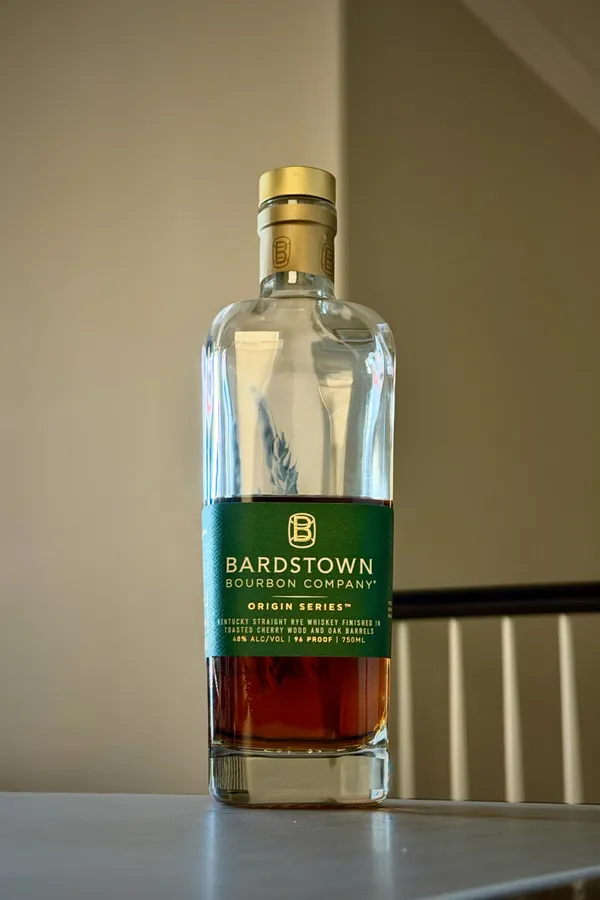
Bardstown Bourbon Company Origin Series Rye Review
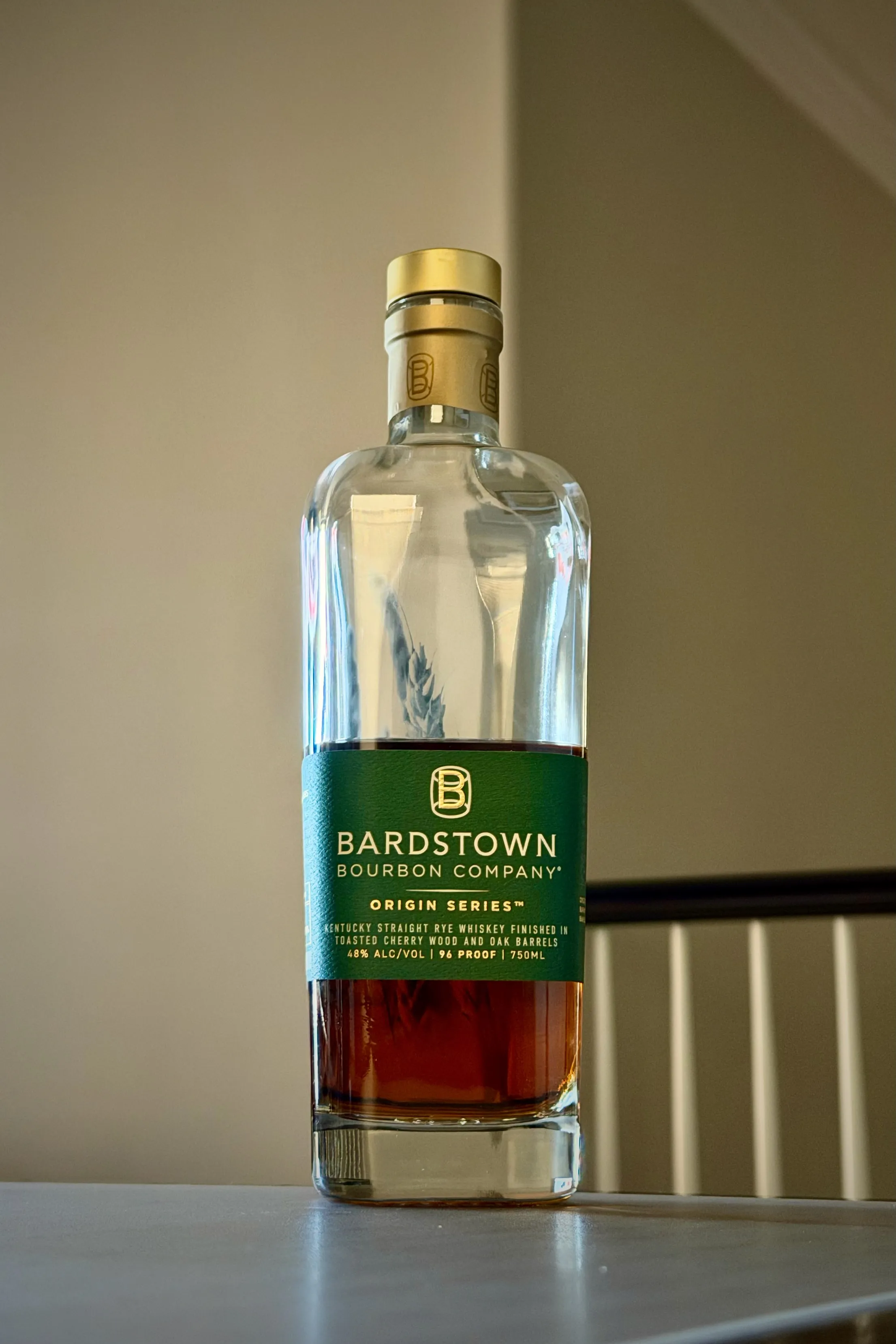
Overview: A couple weeks ago I reviewed Bardstown’s Origin Series wheated bourbon — their proof that the house distillate is ready to stand on its own. This is the same idea, different grain bill. The Origin Series Rye runs a 95% rye mash bill, finished in toasted cherry wood and oak barrels, and like the wheater it’s fully estate distilled. No sourced barrels, no blended-in whiskey from somewhere else. At 96 proof and distilled in spring 2017, it’s had time to develop.
I’ll be upfront: I keep rye around mostly for cocktails. A 95% rye mash bill typically means something aggressive and grain-forward — exactly what you want in a Manhattan or a Boulevardier, not always what you want in a neat pour. The cherry wood finish changes that calculus here. Bardstown isn’t just distilling a rye and bottling it; they’re doing additional work to soften the sharper rye edges and pull the profile toward something more interesting to sip. It works.
How I Found It: Bought this on the same Total Wine trip as the Origin Series wheated bourbon — both were shelf items, no allocation, no drama. If you’re reviewing Bardstown’s Origin lineup it makes sense to pick them up together, and the side-by-side is worth doing. Same distillery, same general age range, completely different grain bills. What changes and what stays the same tells you a lot about how much the mash bill drives a whiskey’s character.
Age: 6 years (Spring 2017 distillation)
Proof: 96 (48% ABV)
Mashbill: 95% rye (remainder malted barley)
Nose: Fruit-forward right out of the gate — ripe cherry and dried apricot lead, with some white floral notes underneath that keep it from feeling heavy. There’s a whisper of classic rye spice in the background, but the cherry wood finishing has clearly softened the grain’s sharper edges. Inviting and a little unexpected for a 95% rye. It doesn’t smell like what the grain bill suggests — which is the whole point of the finishing barrel.
Palate: Thick and chewy — more body than you’d expect at 96 proof. The cherry wood finishing adds a layer of jammy sweetness that coats the palate and rounds out what could otherwise be a pretty aggressive grain bill. Cinnamon and cloves come through mid-sip, and there’s a faint dark chocolate note toward the back. It’s complex without being difficult. The 95% rye is still present — there’s a distinct grain backbone that keeps this from tasting like a fruit-forward bourbon — but the finishing barrel has clearly done real work.
Finish: Long and distinctive. The cherry sweetness hangs around longer than you’d expect, then gives way to a dry, toasted oak spice that settles in at the back of the throat. It’s the kind of finish that makes you pause before the next sip — which is usually a good sign. The exit is cleaner than the palate suggests it will be.
The Cherry Wood Finish
Cherry wood is an unusual choice for a finishing barrel — most finished ryes reach for wine casks, port barrels, or toasted new oak. Cherry wood brings a distinct fruit sweetness that’s different from what you get with, say, wine finishing: it’s drier and more subtle, with less of the residual sugar that a port barrel would carry. The result is a rye that’s been softened and fruited without being sweetened in the same way a wine-finished whiskey would be. It’s a more restrained intervention, and on a 95% rye mash bill, restraint is probably the right call.
If you want to understand what finishing barrels actually do to a spirit, the Bourbon 101 article on toasted bourbon covers the mechanics — why secondary wood contact changes flavor rather than just adding it.
Side by Side with the Origin Series Wheated Bourbon
Tasting this back-to-back with the Origin Series wheated bourbon is the right move. Both are estate distilled at the same facility, both are six-year BiB-range bottles, both are well under $50. The wheated bourbon is softer and more bakery-forward; the rye is fruitier and spicier with a more distinctive finish. What’s consistent across both is a clean, well-managed house character — these come from the same distillery and you can tell.
Final Thoughts: I’ve been working through Bardstown’s Origin lineup and so far they’re batting 1.000 with their own distillate. This rye is the most surprising of the bunch — a 95% rye grain bill that drinks more like a finished bourbon than a traditional rye. If you write off rye because it’s too sharp or medicinal, this one might change your mind. And if you’re already a rye drinker, the cherry wood finish gives it a twist worth seeking out. At $45–50 it’s priced right and widely available.
If You Liked This, Try…
- Elijah Craig Toasted Rye — A 51% rye finished in toasted new oak, at the opposite end of the grain bill spectrum. Where the Bardstown Rye goes fruit-forward with cherry wood, the EC Rye goes sweeter and more dessert-adjacent with toasted oak. Both demonstrate how much finishing barrels can reframe a rye whiskey.
- Michter’s US*1 Single Barrel Rye — No finish, lower proof, different mashbill. The straightforward Kentucky-style rye comparison point. Neat to see what happens when you pull out the finishing barrel and let the base distillate speak for itself.
Rating: Middle Shelf — Rating system explained